Wellness and bran
THE BRAN
Almost disappeared from our food in the last century, in favor of refined flours, easier to be treated industrially, the bran is rediscovering the attention it deserves. Consumers, more and more careful, are returning to ask the market for wholesome products, rich in fiber and nutrients, healthier than refined industrial products.
Novalis is at the forefront of this trend with a range of products with superior taste and pleasantness compared to classic functional products, which until now have been disappointing (if not punitive) on the organoleptic and flavor level.
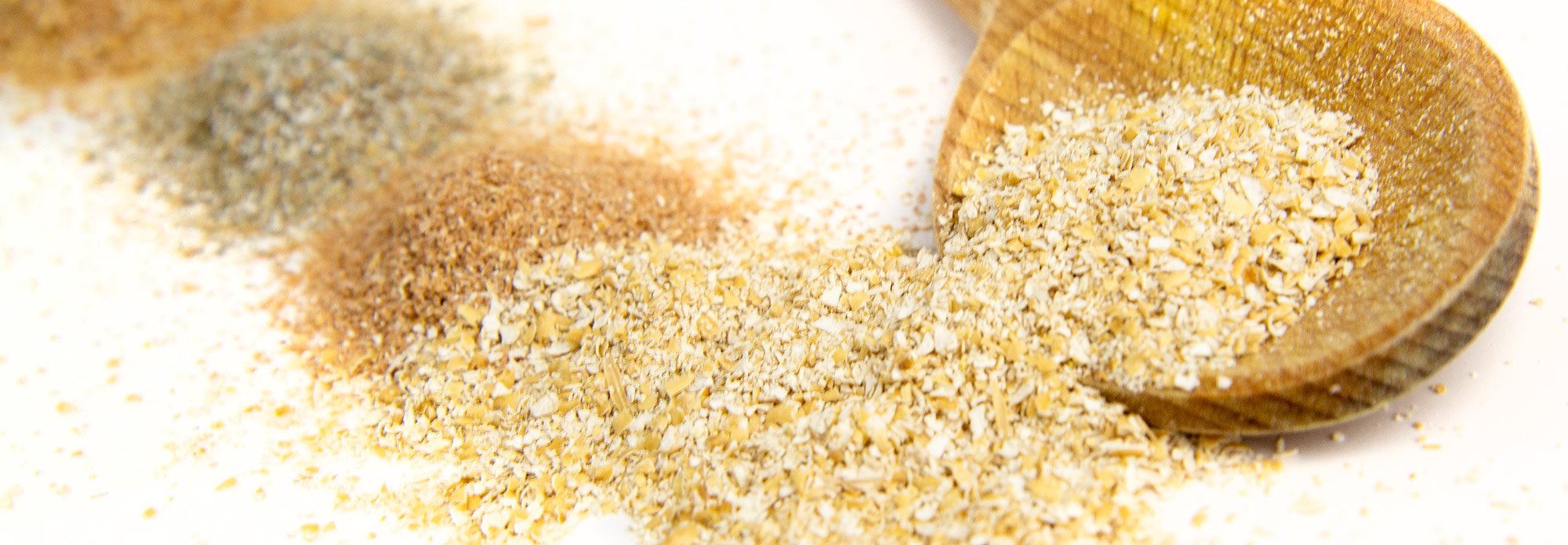
The bran is the external “peel” of the seed, called pericarp in botanics. This contains a high fiber content ranging from about 26% of the oats to nearly 60% of the lentil bran, which help intestinal transit and by absorbing water reduce the intestinal lumen indicating the stimulus of satiety.
Soluble fibers, such as betaglucans contained in oats, barley and rye, fight cholesterol. The brans contain various minerals, vitamins and natural antioxidants such as carotenoids, lutein and zeaxanthin or tannins that fight free radicals known to be associated with the onset of tumors.
Specifically, wheat bran, and similarly the other types, is associated with various functions, including:
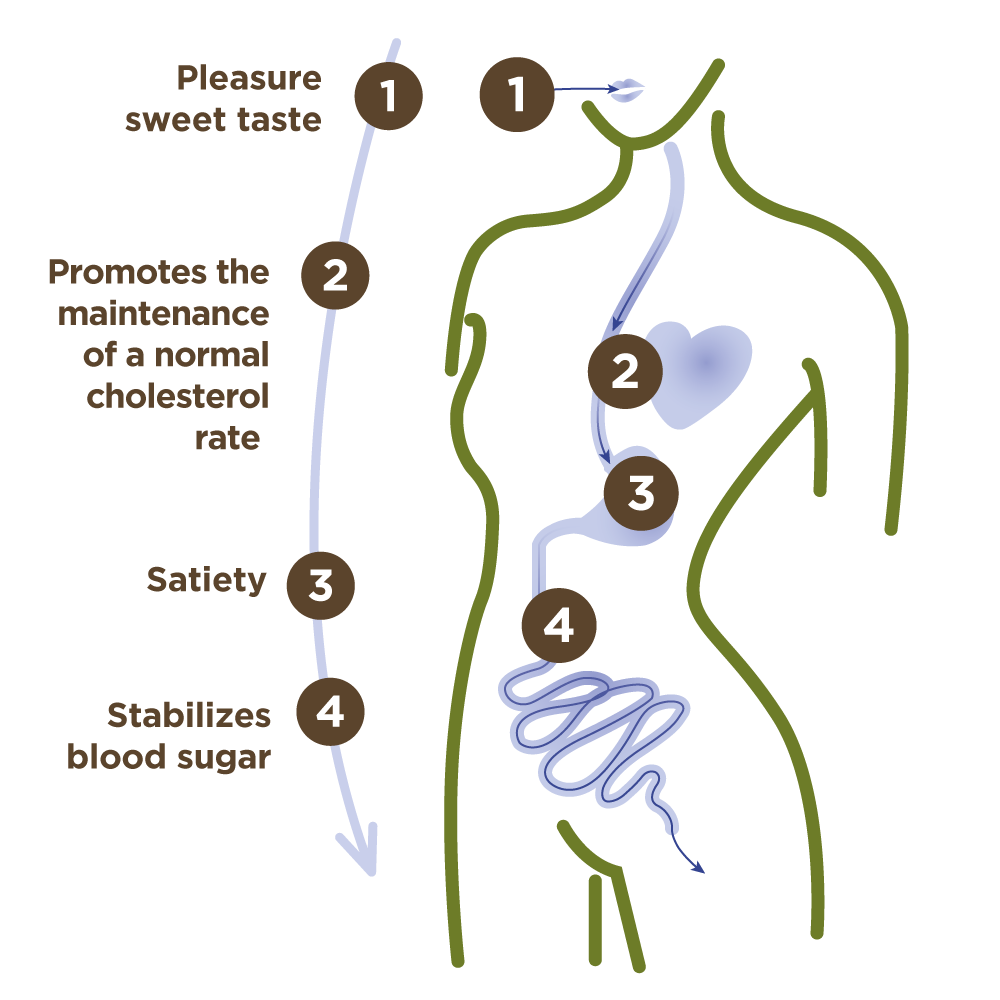
a) reduces the absorption of sugars and fats;
b) thanks to the low glycemic index does not cause abrupt changes in glycemia;
c) gives an almost immediate sense of satiety.
This means that the daily intake of bran maintains constant blood sugar, cholesterol and triglycerides and therefore is useful in the prevention and treatment of the most important metabolic diseases spread in the Western world such as diabetes, dyspepsy and obesity.

The richness of the whole seed for a complete functionality
Over the centuries, human nutrition has benefited from valuable nutrients collected in the vital parts of plants such as fruits, flowers and seeds. Consuming these whole products, for example the fruit with the peel or the whole ground seed, added to the diet a wealth of beneficial substances such as dietary fibers, antioxidants, minerals and omega 3.
The range of Novalis products, in various recipes that all share the high content of natural bran, brings to the table the healthy habits of traditional food, thanks to the variety of nutrients naturally present in foods.
| Chart 1 | Total fiber | Soluble fiber | Insoluble fiber | Carbohydrates |
| Type 0 soft wheat flour | 2,9 | 1,07 | 1,86 | 76,2 |
| Wholemeal flour | 8,4 | 1,92 | 6,51 | 67,8 |
| Bran | 42,4 | 1,31 | 41,13 | 26,2 |
| Chart 2 | Dietary fiber | Carbohydrates | Fats |
| Normal breadsticks | 3,5 | 68,4 | 13,9 |
| Legnetti and Trucioli Novalis | 10,8 | 50,5 | 14,5 |

Very rich in fiber
Oat fiber contributes to increased fecal mass, rye fiber contributes to normal intestinal function, wheat fiber contributes to the acceleration of intestinal transit.

Source and rich in omega 3
Flax seeds and chia seeds provide high amounts of omega 3 fatty acids (alpha linolenic acid ALA) that help maintain normal blood cholesterol levels.
Source of beta-glucans
Oat and barley bran contain beta-glucans (soluble dietary fibers) which reduce cholesterol.

Italian ancient grains and stone milling
The ancient grains of Italian origin, such as the Maiorca soft wheat from Sicily, give the product the taste of old bread while stone grinding preserves its properties.

Low saturated fat content
Their reduced intake, ie less than 1.5 g per 100 g of product, contributes to the maintenance of normal levels of cholesterol in the blood.

Long leavening
The leavening is obtained through an artisanal process lasting 18-20 hours which favors the production of aromas and improves the fragrance of the product.